
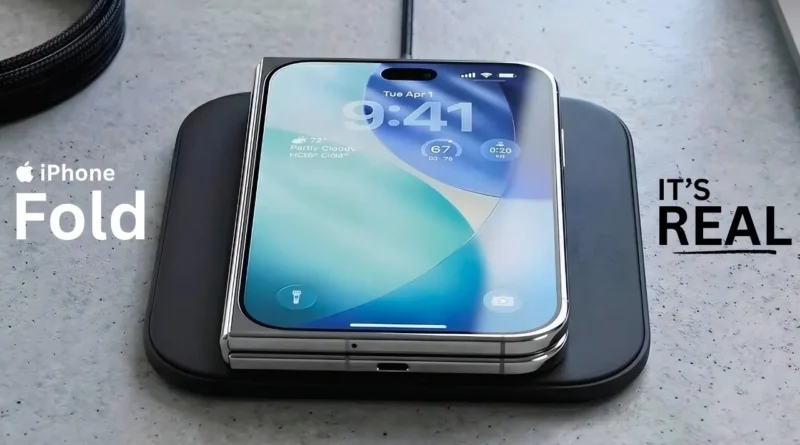
Apple’s Foldable iPhone May Launch as “iPhone Ultra” This September, New Leaks Suggest
New leaks suggest Apple’s long-rumored foldable iPhone could launch as “iPhone Ultra” alongside the iPhone 18 lineup this September.
Apple’s long-anticipated entry into the foldable smartphone market appears to be gaining momentum, as a wave of new leaks points to a clearer launch window, naming strategy, and production scale. According to multiple reputable leakers, the company’s first foldable iPhone may debut under the “iPhone Ultra” branding and arrive as early as September, potentially alongside the iPhone 18 Pro and Pro Max models.
While Apple has remained characteristically silent about its foldable ambitions, the convergence of supply chain insights and insider reports suggests that the company is entering the final stages of preparation. If accurate, this would mark one of the most significant product shifts in the iPhone’s nearly two-decade history—positioning Apple directly against established foldable competitors while redefining its premium device strategy.
“Ultra” branding signals a new tier in Apple’s product hierarchy
One of the most notable developments from the latest leaks is the apparent confirmation of the “Ultra” name. Previously used in products like the Apple Watch Ultra and Apple’s M-series chips, the branding has consistently indicated a top-tier, performance-focused category. Applying this label to a foldable iPhone would signal Apple’s intention to position the device above its existing Pro lineup.
According to leaker Instant Digital, Apple’s upcoming lineup could include three flagship models: iPhone 18 Pro, iPhone 18 Pro Max, and iPhone Ultra—the latter referring to the foldable device. This naming structure suggests a deliberate hierarchy, with the Ultra model representing not just a new form factor but a distinct class of device with potentially higher pricing, advanced materials, and differentiated features.
From a strategic standpoint, the Ultra branding aligns with Apple’s broader approach to segmentation. In recent years, the company has increasingly emphasized premium tiers across its ecosystem, creating clearer distinctions between standard, Pro, and flagship offerings. A foldable iPhone branded as Ultra would fit neatly into this framework, targeting early adopters and high-spending consumers willing to pay a premium for cutting-edge technology.
September launch window gains credibility amid conflicting reports
Launch timing has been one of the most debated aspects of Apple’s foldable plans. Earlier reports suggested potential delays due to technical challenges and supply chain constraints—common issues in the foldable category, where durability and display performance remain critical concerns.
However, newer information appears to reinforce the idea that Apple is still targeting its traditional fall launch window. Fixed Focus Digital, another well-known leaker, claims that the foldable iPhone is “definitely coming out this year,” with production lines already in their final stages. According to this report, the most likely scenario is a September unveiling alongside the iPhone 18 series, with any delay limited to approximately one month.
If Apple successfully meets this timeline, it would represent a significant logistical achievement. Foldable devices require more complex manufacturing processes compared to standard smartphones, particularly in areas such as hinge mechanisms, flexible OLED panels, and structural reinforcement. Entering mass production at scale while maintaining Apple’s quality standards would indicate that many of these challenges have been resolved or mitigated.
Supply chain expansion suggests higher confidence in demand
Another key detail emerging from the leaks is Apple’s apparent increase in component orders—specifically foldable display inventory. Reports indicate a 20% boost in supply, with initial production targets reaching approximately 11 million units.
This figure is particularly notable because it contradicts earlier expectations that Apple would adopt a conservative approach for its first foldable release. Historically, the company has often limited initial production of new product categories to manage risk and gauge market response. A larger-than-expected production run suggests growing internal confidence in both the product’s readiness and consumer demand.
At the same time, the increased inventory may reflect Apple’s desire to avoid the supply shortages that have plagued previous high-profile launches. Foldable smartphones remain a relatively niche category, but demand has been steadily increasing as manufacturers refine the technology and reduce durability concerns. Apple’s entry could accelerate this trend significantly, potentially expanding the market beyond early adopters.
Competitive landscape: Apple enters a maturing foldable market
By the time Apple introduces its foldable iPhone, the competitive landscape will already be well established. Companies like Samsung, Huawei, and others have spent years iterating on foldable designs, improving hinge durability, display resilience, and software optimization.
This timing presents both advantages and challenges for Apple. On one hand, entering a more mature market allows the company to learn from competitors’ mistakes and deliver a more polished first-generation product. Apple has historically followed this approach in categories such as smartwatches and wireless earbuds, where it entered later but quickly dominated through refinement and ecosystem integration.
On the other hand, expectations for Apple’s foldable device will be exceptionally high. Consumers and analysts alike will expect meaningful differentiation—not just in hardware design but also in software experience. This includes seamless transitions between folded and unfolded modes, optimized multitasking capabilities, and tight integration with iOS and Apple’s broader ecosystem.
The rumored “Ultra” positioning may play a critical role here. By framing the foldable as a premium, experimental flagship rather than a mainstream product, Apple can justify a higher price point while setting appropriate expectations for early adoption.
Technology challenges remain central to Apple’s foldable strategy
Despite the positive signals from recent leaks, significant technical challenges remain inherent to foldable devices. Issues such as crease visibility, long-term durability, battery efficiency, and repairability continue to affect the category as a whole.
Apple’s reputation for hardware reliability means it is unlikely to compromise on these aspects. This could explain the extended development timeline for its foldable iPhone, as the company works to refine materials, hinge engineering, and display technology before committing to a large-scale release.
Additionally, software optimization will be a critical differentiator. Unlike traditional smartphones, foldables require dynamic user interfaces that adapt to multiple screen configurations. Apple’s control over both hardware and software gives it a unique advantage in this area, potentially enabling a more cohesive and intuitive user experience compared to competitors.
Market implications: a potential inflection point for foldables
If the leaks prove accurate and Apple launches its foldable iPhone this year, the impact on the broader smartphone market could be substantial. Apple’s entry has historically served as a catalyst for category growth, bringing increased visibility, consumer trust, and developer support.
The introduction of an “iPhone Ultra” could accelerate the normalization of foldable devices, shifting them from a niche segment to a more mainstream option—particularly within the premium tier. This, in turn, could drive further innovation across the industry, as competitors respond with new designs, features, and pricing strategies.
From a business perspective, the move also aligns with Apple’s ongoing efforts to diversify its revenue streams within the iPhone ecosystem. As global smartphone growth slows, introducing new form factors and premium categories becomes increasingly important for sustaining long-term revenue expansion.
Ultimately, the success of Apple’s foldable iPhone will depend on its ability to deliver a compelling value proposition—balancing innovation, usability, and price. The latest leaks suggest that the company is preparing to make a significant statement in this space, but the final outcome will only become clear once the product is officially unveiled.
Until then, the growing alignment between supply chain data and insider reports indicates that Apple’s foldable ambitions are no longer speculative—they are approaching reality.

Author
João V. A. Gnoatto
Brief Future
Writes about technology, artificial intelligence, innovation, and digital transformation.